
RELIABLE CORPORATE VIDEO PRODUCTION
Corporate Videos
Whether it’s brand stories, testimonials, conference content, or internal communications, we’ve got it covered. Delivering clear, reliable corporate video without added complexity.


Corporate videos that don’t feel corporate
Most corporate videos end up looking the same. Safe. Predictable. Forgettable.
And the process to get there? Usually painful. Endless briefing documents. Rounds of revisions that miss the point. A production team that needs more direction than your own team.
You don't have time for that. We start by understanding what you're actually trying to achieve. Not just the deliverable, but the outcome. Who needs to see this? What do you want them to feel? What action should they take?
Then we handle it. Filming, edit, delivery. You brief us once. We come back with something you're proud to put your name on.

BRAND STORY VIDEOS
Ensure everyone understands who you are
Brand story videos are one of the most powerful tools in corporate video production. They help people understand who you are and what you stand for, not just what you do. They give context to the work, the decisions, and the direction you're taking.
By putting that story in one place through a professionally produced corporate video, it helps people connect with the organisation more easily, align around what matters, and feel confident they understand the bigger picture, without you having to explain it again and again.
-
A brand story video is a clear, concise way for an organisation to communicate who they are, what they do, and what they stand for, helping ensure messages land consistently across teams, stakeholders, and channels.
In corporate video production, brand story videos are a core communications asset. They support onboarding, leadership messaging, stakeholder engagement, and external comms without relying on long documents or repeated explanations.
Unlike promotional content, a corporate video production approach to brand storytelling is informative, credible, and reusable, deployable across websites, presentations, events, and internal platforms.
-
Because it gives everyone the same starting point.
Instead of different versions of the message being explained by different people, in different ways, a brand story video puts the context in one place. People can watch it, understand who you are and what matters, and then move forward from there.
Internally, it helps teams align faster. Externally, it helps stakeholders, partners, and audiences get up to speed without confusion or mixed messages.
For communications teams, good corporate video production means:
Fewer follow-up questions
Less re-explaining
Fewer misunderstandings
More confidence that people are hearing the same thing
It doesn't replace detailed communication, it supports it. It sets the foundation so everything else you communicate lands more clearly and with less effort from you.
-
Because you're already explaining who you are and what you do over and over again.
To stakeholders. To leadership. To new starters. To partners. At events. In presentations.
And every time, it's slightly different depending on who's asking, how much time you have, and what else is going on.
A brand story video gives you one clear, agreed way to explain who you are and what matters, so you're not carrying that explanation yourself every time. It becomes something you can point people to and trust that it reflects the organisation properly.
For corporate teams, corporate video production uses storytelling to create alignment, internally and externally, so the message is consistent, accurate, and doesn't need to be re-explained.
A brand story video reduces follow-up, avoids mixed messages, and gives you confidence that everyone is starting from the same understanding.
-
Very little. And it's clearly defined upfront.
For most brand story videos, filming is completed in one day. If there are multiple locations, filming is typically spread across two days.
Your involvement is mainly upfront, through 1–2 alignment conversations to talk things through, agree on what matters, and make sure the message is right. That's where your input has the most impact.
After that, our role as your corporate video production partner is to handle the detail so you don't have to manage the process day to day.
You shouldn't be tied up for weeks with scripts, revisions, or constant check-ins. Once we're aligned, we carry the work forward and come back to you only at clear review points.
For most teams, that means:
1–2 alignment conversations
One filming day (or two if there are multiple locations)
Clear, contained review stages, not endless back and forth
The result is brand story video production that saves time overall, because you're not re-explaining the message or fixing things later.
-
This is something we spend a lot of time on because most people aren't on camera every day, and they shouldn't be expected to be.
Our background in news and television means we're used to working with people who are not professional presenters. We know how to create a calm environment, ask the right questions, and guide people through what they're saying so it feels natural and confident.
We also provide on-camera coaching as part of every corporate video production. That includes helping people understand how to phrase things in their own words, where to focus, and how to relax in front of the camera, without over-rehearsing or making it feel scripted.
The aim isn't to turn anyone into a presenter. It's to help them feel comfortable, sound like themselves, and walk away knowing it went well.
For most brand story videos, that makes a big difference, especially when leadership or subject-matter experts are involved.
-
In more places than just one.
We don't just deliver a single brand story video and leave it there. From the same shoot, we create shorter clips and cut-downs that can be used across the channels you're already responsible for.
Commonly, teams use the corporate video production assets and supporting clips across:
Your website As a clear introduction to who you are and what you stand for.
Internal communications Including intranets, internal updates, onboarding, and leadership communications.
LinkedIn For external communications, employer brand, and stakeholder engagement.
Instagram and other social platforms As shorter, context-aware clips that support broader messaging.
Newsletters and email communications To add clarity and consistency without long explanations.
Presentations, events, and conferences Used to quickly align audiences around the same message.
The idea is to give you a core brand story video plus supporting assets, so the work can be reused and repurposed over time without having to brief, film, or explain things again.
That way, the video continues to support your communications long after it's finished, instead of being a one-off piece.
CLIENT TESTIMONIAL VIDEOS
Build trust through client experiences
Client testimonial videos let people hear directly from those you work with, rather than relying on claims or marketing language.
By hearing real experiences in clients’ own words, it builds trust and confidence, makes decisions easier, and reduces the need for you to explain or prove things yourself.
-
A client testimonial video is a way to let other people explain the experience, instead of you having to say it yourself.
It's not about selling or putting words in anyone's mouth. It's about capturing a clear, honest account of what it's like to work together, in the client's own words, so people can hear it from someone who's already been there.
For you, the value is that it takes the pressure off. You're not making claims. You're not over-explaining. You're not trying to convince anyone.
It gives prospective clients, stakeholders, or internal teams a real reference point, something they can watch and quickly understand how others experience working with you.
As part of our corporate video production process, a client testimonial video:
Sounds natural, not scripted
Respects your client's time and comfort
Reflects you accurately
Gives people confidence without you having to push the message
Ultimately, it's about trust and reassurance. It helps the right people feel comfortable moving forward, because they've heard it from someone they trust, not from you.
-
That's the biggest concern and it's a valid one.
Client testimonial videos only work when they sound like the people in them, not like a script. The focus isn't on selling or making big claims, it's on letting clients explain the experience in their own words.
When corporate video production is handled properly, it doesn't feel promotional. It feels grounded, believable, and easy to trust, because it's coming from someone who's already worked with you, not from you talking about yourself.
-
You don't script them, you guide the conversation.
Our background in news and media means we're used to asking questions in a way that helps people explain things clearly, in their own words, without feeling coached or put on the spot.
It's the same approach used in interviews: you listen carefully, ask the right follow-up questions, and give people the space to say what they actually mean, not what they think they're supposed to say.
That way, the important points come through naturally, the language stays genuine, and your clients sound like themselves, not like they're reading lines or delivering a sales pitch.
For you, the outcome is simple. A client testimonial video where the message is clear, the tone feels right, and the credibility stays intact without scripting or awkward direction. That's what good corporate video production delivers.
-
As little as possible.
Client testimonial videos are designed to be respectful of everyone's time. Your clients shouldn't feel like they're doing you a favour, and you shouldn't be managing a long, drawn-out process.
Most of the work happens behind the scenes. Once things are aligned, corporate video production is efficient and contained, and your involvement is limited to clear check-in points rather than ongoing back and forth.
The aim is to make it easy for you and for them.
-
That's a common concern and it's exactly why experience matters.
Our background in news and television means we're used to working with people who are not presenters and don't spend time on camera. We know how to create a calm, low-pressure environment where people can relax and speak naturally.
We also provide on-camera confidence coaching as part of every client testimonial video. That means helping people understand what to expect, how to phrase things in their own words, and how to feel comfortable without overthinking it.
Clients aren't asked to perform or deliver lines. They're guided through a conversation, at their pace, with plenty of reassurance along the way.
The result is corporate video production that feels natural and genuine, and clients who walk away feeling comfortable about how they came across, rather than self-conscious or uneasy.
-
Client testimonial videos are rarely used in just one place.
Alongside the main video, shorter clips can be created so the content can be reused across your website, presentations, proposals, LinkedIn, email communications, and other channels you're already managing.
That way, the corporate video production effort goes further, and the same client story can support multiple conversations over time, without having to ask for more or start again.
EXECUTIVE COMMUNICATION VIDEOS
Give people clarity from leadership
Executive Communication videos help people hear directly from leadership, in a way that feels clear, considered, and human, not filtered or passed on second-hand.
By hearing the message straight from the source, it builds understanding and trust, helps people feel included in what’s happening, and reduces uncertainty about direction and decisions.
-
An executive communications video is a way for leadership to speak directly and clearly, without the message being diluted, reinterpreted, or passed on second-hand.
It's used when the message matters and needs to come from the top, for example:
Strategy or direction updates
Change or transformation announcements
Organisational updates or restructures
Sensitive or complex messages
All-hands and leadership communications
Instead of the message being explained multiple times by different people, everyone hears it once, from the source, in the same words and tone.
For you, it becomes a reliable reference point. Good corporate video production means you can share it internally knowing the message is accurate, aligned, and reflects leadership properly.
-
This is exactly why executive communications video works.
When people hear directly from leadership, with the context explained clearly, there's far less room for interpretation. The message isn't filtered through layers, shortened, or softened along the way.
It helps people understand not just what is happening, but why, which reduces confusion, speculation, and follow-up questions.
The outcome is clarity, not noise. That's what good corporate video production delivers.
-
Clarity comes from preparation, not performance.
Most of our clients choose to use a teleprompter, and it's there to support them, not to turn the message into something stiff or scripted. It allows leadership to stay on message, say things accurately, and not worry about forgetting key points.
The wording is shaped beforehand so it sounds like something they would actually say, not corporate language written for the sake of it. With the teleprompter, leaders can focus on delivery and tone, rather than trying to remember what comes next.
Combined with our news and broadcast experience, we guide pacing, emphasis, and phrasing so the executive communications video feels clear, considered, and human, not rehearsed.
The result is corporate video production that delivers a message that:
Is accurate
Sounds like them
Lands clearly
And feels appropriate for the situation
Which is exactly what you need when the message matters.
-
Most leaders aren't used to being on camera and they don't need to be.
Our background in news and television means we're experienced in working with people who aren't presenters. We know how to create a calm environment, explain what to expect, and guide the conversation so it feels natural.
We also provide on-camera confidence coaching as part of every executive communications video. That helps leaders relax, speak in their own words, and feel comfortable with how they come across without over-rehearsing or performing.
The aim is simple: leadership feels supported, not exposed. That's the standard we hold ourselves to across every corporate video production.
-
By aligning early and being clear about the message upfront.
Most of the work happens before filming, agreeing on what needs to be said, who it's for, and what success looks like. That reduces the need for rewrites, re-records, or multiple versions later.
Once aligned, the executive communications video process is contained and efficient, with clear review points rather than ongoing back-and-forth.
For you, that means less stakeholder management and fewer moving parts to juggle. That's how good corporate video production should work.
-
Executive communications videos are designed to work across the channels you're already managing.
They're commonly used on:
Internal platforms and intranets
All-hands meetings and town halls
Leadership updates and briefings
Internal emails and announcements
Follow-up communications where people need a clear reference
Often, shorter cut-downs can also be created so the message can be reused without re-recording.
That way, the corporate video production effort goes further, and the message stays consistent wherever it's shared.
★★★★★
"As an EVP and Employer Brand specialist, visual storytelling is my craft, but I’d never been on camera until working with Zarco Creative. From our first chat, I knew I was in great hands. Jess and Oscar brought expert direction, technical brilliance, and a warmth that made the whole process feel easy and even fun.
They took the time to understand my brand, content, and message, and delivered stunning, professional videos that elevated my training programs and amplified my presence online. If you want a team that blends creative flair with polish (and truly cares about your success), Zarco is the one to trust.”
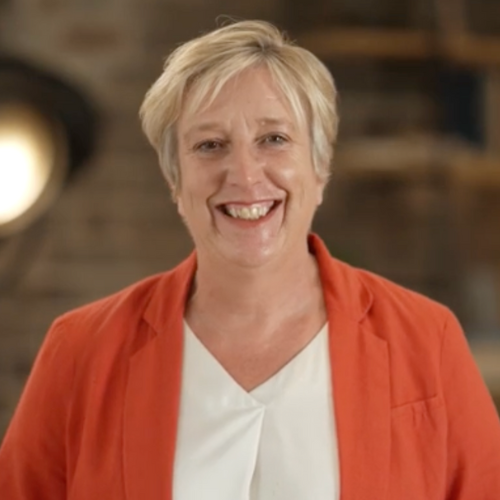
Rachel Hill
Project Director and Lead Recruiter, Hill Consulting
EMPLOYER BRAND VIDEOS
Show people what it’s like to work here
Employer brand videos give potential candidates a clearer sense of what working here is actually like, so expectations are set early and more accurately.
By hearing directly from people inside the organisation, it gives a more realistic picture, which leads to better alignment, better conversations, and fewer surprises on both sides.
-
Employer brand videos are a way to show what it’s actually like to work in your organisation, through the people who live it every day.
They’re not one polished hero video and they’re not recruitment ads.
They’re an ongoing set of people-led stories that reflect the reality of the workplace — the work, the culture, the wins, and the moments in between.At the centre, there’s often one core employer brand video that sets the context and gives a clear overview of who you are as an employer.
Around that sits a wider ecosystem of shorter, more personal videos that bring the culture to life over time.
Together, they help future talent, current employees, and stakeholders understand what working here really looks like, not just what it’s supposed to look like.
Examples of employer brand videos
Employer brand video content can include a wide mix of formats, depending on what you want to show and who you want to speak to.
Common examples include:
Core employer brand video
A foundational piece that introduces the organisation as a place to work, values, environment, and what people care about, anchored in real voices.Day-in-the-life videos
Following individuals or teams through a typical workday to show how roles actually function and how people work together.Employee stories and profiles
Personal stories from employees about their role, their journey, what they enjoy, and what’s kept them there.Team and project wins
Videos that highlight achievements, milestones, or moments teams are proud of, reinforcing recognition and shared success.Behind-the-scenes content
Informal, real moments that show how work gets done, how teams interact, and what the environment feels like beyond formal settings.Leadership perspectives
Short pieces where leaders talk about people, growth, direction, or what they value in their teams, supporting, not dominating, the story.Onboarding and welcome videos
Content that helps new starters feel connected and oriented before day one or early in their time with the organisation.Culture and values in action
Showing how values show up in real situations, decisions, and behaviours, not just on a slide or poster.Events and internal moments
Capturing moments that matter internally, launches, celebrations, initiatives, or shared experiences.
Why organisations invest in employer brand video ecosystems
Handled this way, employer brand videos:
Show the organisation through its people, not polish
Help future talent self-select more accurately
Reinforce pride, recognition, and ownership internally
Support recruitment, onboarding, and engagement at the same time
Create a living record of culture as it evolves
Most importantly, they acknowledge a simple truth your clients already believe:
Your people are your business.
Employer brand videos give those people a voice and let the story of the organisation be told through them, over time.
-
A brand story video explains the organisation, what it stands for, where it’s heading, and how it wants to be understood.
An employer brand video is about the people inside the organisation. It’s not one video, it’s an ecosystem of content that shows what working there actually looks like over time.
That can include day-in-the-life pieces, behind-the-scenes moments, team wins, personal stories, leadership perspectives, and everyday interactions, the things that don’t usually make it into a formal brand message.
The brand story sets the context. The employer brand shows the lived experience.
Together they work, but they answer very different questions.
-
Yes, because it’s built as a combination of a clear foundation and real, ongoing stories.
There is one core employer brand video that sets the context and gives people a clear sense of the organisation and what it values. That video anchors the message and gives you something consistent to point people to.
Around that, we create supporting content that shows the reality of working here — real people, personal stories, team wins, behind-the-scenes moments, and day-to-day experiences.
Those supporting videos are what bring it to life. They show how the culture actually plays out, not just how it’s described. Over time, they build a more accurate picture than a single polished piece ever could.
The result is an employer brand that feels grounded and believable, one clear reference point, supported by real moments that people recognise and trust.
-
By treating it as a way to showcase and celebrate your people, not promote roles.
Employer brand content works best when it reflects the people who make the organisation what it is. It’s not about selling jobs, it’s about recognising the work, effort, and wins happening every day.
By sharing real stories, moments, and experiences, the focus stays on the people and the environment they’re part of. That authenticity is what resonates externally, but it also reinforces pride and connection internally.
It feels genuine because it is and that’s what keeps it from becoming a recruitment ad.
-
Primarily employees, because your people are the business.
Employer brand content is strongest when it’s told by the people doing the work, sharing their experiences, perspectives, and wins. That’s what creates authenticity and gives others a real sense of what it’s like to be part of the organisation.
Leadership can still play a role, particularly in acknowledging teams or setting direction, but the heart of employer brand is the people who bring the organisation to life day to day.
Featuring employees also builds internal ownership. People feel seen, valued, and proud to be part of something that’s being shared and recognised.
-
Because this is an ecosystem, it lives both outside and inside the organisation.
Externally, it supports careers pages, LinkedIn, recruitment conversations, and events. Internally, it plays a powerful role in reinforcing culture, celebrating wins, onboarding new starters, and sharing what teams across the organisation are doing.
These stories become part of the fabric of the workplace, something people recognise themselves in and feel connected to.
Over time, it helps create an environment where people feel acknowledged and invested, not just marketed.
-
Less than trying to manufacture culture, because this is about capturing what already exists.
Employer brand content works best when it’s woven into the rhythm of the business. It’s light-touch, respectful of people’s time, and focused on real moments rather than staged scenarios.
Your role is to set the direction and priorities. From there, the process is designed to make it easy for people to participate and feel comfortable sharing their stories.
The outcome isn’t just content, it’s a stronger sense of ownership, pride, and connection across the organisation, because people can see themselves reflected in the story being told.
TRAINING AND EDUCATION VIDEOS
Standardise training for teams
Training and educational videos help people feel confident in what they’re doing, without having to ask the same questions or rely on second-hand explanations.
By making information clear, accessible, and consistent, they reduce uncertainty, support people day to day, and give teams something reliable to come back to when they need it.
-
Training and educational videos are clear, practical videos that show people how things are done, so they don’t have to rely on memory, second-hand explanations, or whoever happens to be available at the time.
They’re not about teaching theory or running long training sessions.
They’re about creating a reliable reference point people can come back to when they need it.For you, they become a way to:
say it once, properly
keep information consistent
reduce repeated questions
and support teams without constant involvement
Done well, training videos quietly sit in the background and support day-to-day work without needing to be managed.
Training and educational videos commonly include things like:
Onboarding videos
Helping new starters understand systems, processes, expectations, and how things work — without slowing everyone else down.Process and “how-to” videos
Showing step-by-step how tasks are completed, how tools are used, or how internal processes work.Systems and platform training
Explaining how to use internal software, tools, or platforms in a way that reflects how your organisation actually uses them.Compliance and mandatory training
Clear, consistent explanations of policies, safety requirements, or regulations delivered the same way to everyone.Change and update videos
Explaining what’s changing, why it’s changing, and what people need to do differently, without relying on long documents or meetings.Internal knowledge sharing
Capturing expertise from key people so it’s not locked in one person’s head or lost when teams change.
Training videos are used when:
people are being told different things
knowledge is sitting with a few individuals
teams are asking the same questions repeatedly
onboarding is taking too much time
or consistency really matters
They help create clarity, confidence, and continuity even as people, priorities, and teams change.
-
The goal isn’t to create more training, it’s to reduce confusion.
Training videos work when they replace repeated explanations with one clear, agreed version of how something is done. Instead of people asking different questions or getting different answers, there’s a single reference point everyone can go back to.
When done properly, it simplifies things rather than adding to the noise.
-
People use training when it’s practical and easy to access.
These videos are designed to fit into how people actually work, short, clear, and focused on what they need to know, not everything they could possibly know.
Because they’re easy to revisit and relevant to real tasks, they’re used as a reference, not treated like a one-off exercise.
-
By grounding everything in real situations.
Training videos work best when they reflect how things actually happen day to day, real systems, real processes, real examples. There’s no abstract theory or generic explanations.
That practical approach makes it easier for people to apply what they’ve seen, rather than trying to translate it into their own context later.
-
Training only works when it fits into how people actually do their jobs.
Instead of pulling people out of their day for long sessions or asking them to remember what was covered weeks ago, training videos give teams something they can access at the moment they need it, while they’re doing the work.
That might be:
checking a process before starting
refreshing how something is done
confirming they’re doing it the right way
Because the content is short, clear, and specific, it becomes a reference point rather than an interruption.
Over time, it stops feeling like “training” and starts feeling like part of how work gets done, something people use naturally, without being told.
For you, that means less chasing, less re-explaining, and more confidence that people are working from the same understanding.
-
It takes pressure off you, rather than adding to your workload.
Instead of coordinating multiple explanations, documents, and conversations, training videos give you one clear, agreed reference point that everyone can use. You’re no longer fielding the same questions, chasing alignment, or clarifying things after the fact.
Because the content is planned properly upfront, you’re not managing endless versions, approvals, or follow-ups. Once it’s done, it does its job in the background, supporting teams without you having to oversee it day to day.
It also makes coordination simpler. When someone asks for clarification, you can point them to the video rather than re-explaining or pulling people into another meeting.
The outcome is less reactive work for you, fewer interruptions, and more confidence that people are getting the right information without you having to constantly manage it.
VIDEO NEWS RELEASE
For media ready communication
Video news releases help present your message in a way that gives it a better chance of being picked up by the media, without losing accuracy or context.
By shaping the story clearly and professionally, it makes it easier for media outlets to understand what matters, reduces the risk of misinterpretation, and gives you confidence that what’s shared publicly reflects the organisation properly.
-
A video news release is a media-ready video asset designed to help journalists, media outlets, and external stakeholders quickly understand a story and decide whether to run with it.
It’s used when you have an announcement or update that needs to go beyond your owned channels and stand a better chance of being picked up by the media, without losing accuracy or context.
A video news release makes the story easier to assess, easier to use, and easier to share.
Common examples include:
Major announcements or company updates
Executive appointments or leadership changes
Industry reports or research findings
Product or service launches with broader relevance
Mergers, acquisitions, or partnerships
Infrastructure projects or developments
Government, regulatory, or policy-related updates
Organisational milestones or significant investments
Crisis or issue management responses
Event announcements with public or industry interest
A typical video news release might include:
A clear explanation of the story
Executive or spokesperson commentary
Supporting visuals or footage
Clean, accurate messaging that can be quoted or reused
The goal isn’t to promote, it’s to present the story clearly and professionally, so media outlets can quickly understand what matters and decide if it’s relevant for their audience.
Done properly, it gives your story a better chance of being picked up, while still protecting tone, accuracy, and reputation.
In a corporate environment, a brand story video is often used as a core communications asset. It supports internal communications, leadership messaging, onboarding, stakeholder engagement, and external communications by clearly explaining an organisation’s purpose, values, and direction without relying on long documents or repeated explanations.
Unlike promotional or advertising content, a corporate brand story video is designed to be informative, credible, and reusable. It gives people a shared understanding of the organisation and can be used across websites, presentations, events, and internal platforms.
For corporate communications teams, a brand story video helps align messaging, reduce confusion, and provide a reliable reference point for how the organisation wants to be understood.
-
A video news release is built specifically for media use, not for brand storytelling or general communications.
Unlike a corporate video, it’s structured to help journalists quickly understand the story, assess its relevance, and use it if appropriate. The messaging is tighter, the context is clearer, and the content is designed to stand up outside your owned channels.
Compared to a written media statement, a VNR adds clarity and immediacy. It allows the story to be seen and heard, not just read, which makes it easier for media outlets to grasp the significance and decide whether to run with it.
The purpose isn’t promotion, it’s clear, accurate communication that works in a media environment.
-
There are never guarantees with media and anyone who promises that isn’t being realistic.
What a video news release does is remove friction. It makes the story easier to understand, easier to assess, and easier to use.
Journalists are time-poor, and a well-prepared VNR gives them context, quotes, and visuals in one place.
That doesn’t force coverage, but it improves the odds by presenting the story in a way that aligns with how media actually works.
In short, it helps your story compete for attention, without overstating it.
-
Accuracy is the priority.
A video news release is shaped carefully upfront, with clear agreement on what’s being said, how it’s being said, and what should not be inferred. The focus is on clarity, not spin.
With a background in news and broadcast environments, we’re used to working within tight editorial boundaries and understanding how messages can be interpreted once they leave your control.
That experience helps ensure the message is precise, contextual, and less likely to be misread or taken out of context once it’s shared.
-
Typically, it’s a spokesperson or leader who can speak clearly and confidently about the story.
They don’t need to be polished presenters. With experience working directly in news and television, we’re used to guiding people who aren’t on camera regularly.
We provide on-camera and media-style guidance as part of the process, helping people understand how to answer questions clearly, stay on message, and feel comfortable without sounding rehearsed.
The goal is credibility and calm, not performance.
-
Video news releases are often time-sensitive, and the process is built with that reality in mind. Just let us know your deadlines.
Zarco Creative specialises in VNRs because of over 15 years working directly with Network 7, 9, and 10 news, across newsroom and broadcast environments. That experience brings a clear understanding of how stories are assessed, what journalists need, and how quickly things move.
We’ve worked closely with media teams and journalists, and understand the pressures, timelines, and standards involved. That background allows us to move quickly without cutting corners, maintaining accuracy, clarity, and professionalism even when time is tight.
For you, that means confidence that the story is being handled by people who understand both sides of the process, corporate communications and the media environment it’s entering.
SOCIAL VIDEOS
For multi-channel communication
Social Videos help your message travel further without creating more work for you.
By breaking longer content into shorter, purposeful clips, it makes it easier to keep communication consistent across channels like LinkedIn, internal platforms, newsletters, and email, so the message stays visible, familiar, and understood over time.
-
Social videos are short, purposeful video clips created to extend and support your core messages across the channels you already use, without creating entirely new content each time.
They’re rarely standalone. Most social videos are cut from longer content like brand stories, executive messages, employer brand, events, or training, reshaped into smaller pieces that are easier to share, revisit, and absorb.
Common situations where social videos are used include:
sharing key messages from a larger announcement
reinforcing leadership updates
highlighting people, wins, or milestones
supporting employer brand and recruitment
keeping important messages visible over time
Typical platforms include:
LinkedIn
Instagram
internal platforms and intranets
email communications and newsletters
presentations and stakeholder updates
The value is that one piece of work can be used in multiple places, helping messages stay consistent without needing to brief, film, or explain things again.
-
By tying every social video back to a clear message or purpose.
Social videos aren’t created to fill a content calendar. They’re used to support existing communications, reinforcing key messages, extending the life of important updates, or highlighting moments that already matter.
If a clip doesn’t serve a purpose, it doesn’t get made. That way, social stays intentional and useful, not noisy or performative.
-
Very little, that’s the point.
Social videos are usually created as part of a broader piece of work, not as a separate project. The planning happens upfront, so the cut-downs are handled alongside the main video.
Once delivered, they’re ready to use. You’re not managing ongoing edits or chasing new content, you’re simply sharing what’s already been prepared.
-
Very little and it’s clearly defined upfront.
For most brand story videos, filming is completed in one day.
If there are multiple locations, filming is typically spread across two days.Your involvement is mainly upfront, through 1–2 alignment conversations to talk things through, agree on what matters, and make sure the message is right. That’s where your input has the most impact.
After that, our role is to handle the detail so you don’t have to manage the process day to day.
You shouldn’t be tied up for weeks with scripts, revisions, or constant check-ins. Once we’re aligned, we carry the work forward and come back to you only at clear review points.
For most teams, that means:
1–2 alignment conversations
One filming day (or two if there are multiple locations)
Clear, contained review stages — not endless back and forth
Done properly, it saves time overall, because you’re not re-explaining the message or fixing things later.
-
By focusing on different moments, not repeating the same clip.
Instead of resharing one message over and over, social videos highlight different angles, a quote, a moment, a reaction, or a specific insight, all drawn from the same source.
That way, the content feels familiar without feeling stale, and the message stays present without being overplayed.
-
By keeping the tone grounded and aligned with your brand.
Social videos don’t need to follow trends or feel informal to be effective. The focus stays on clarity, professionalism, and relevance, the same standards you apply to the rest of your communications.
That means the content feels suitable for external audiences, internal teams, leadership, and stakeholders alike, without needing different versions for different levels.